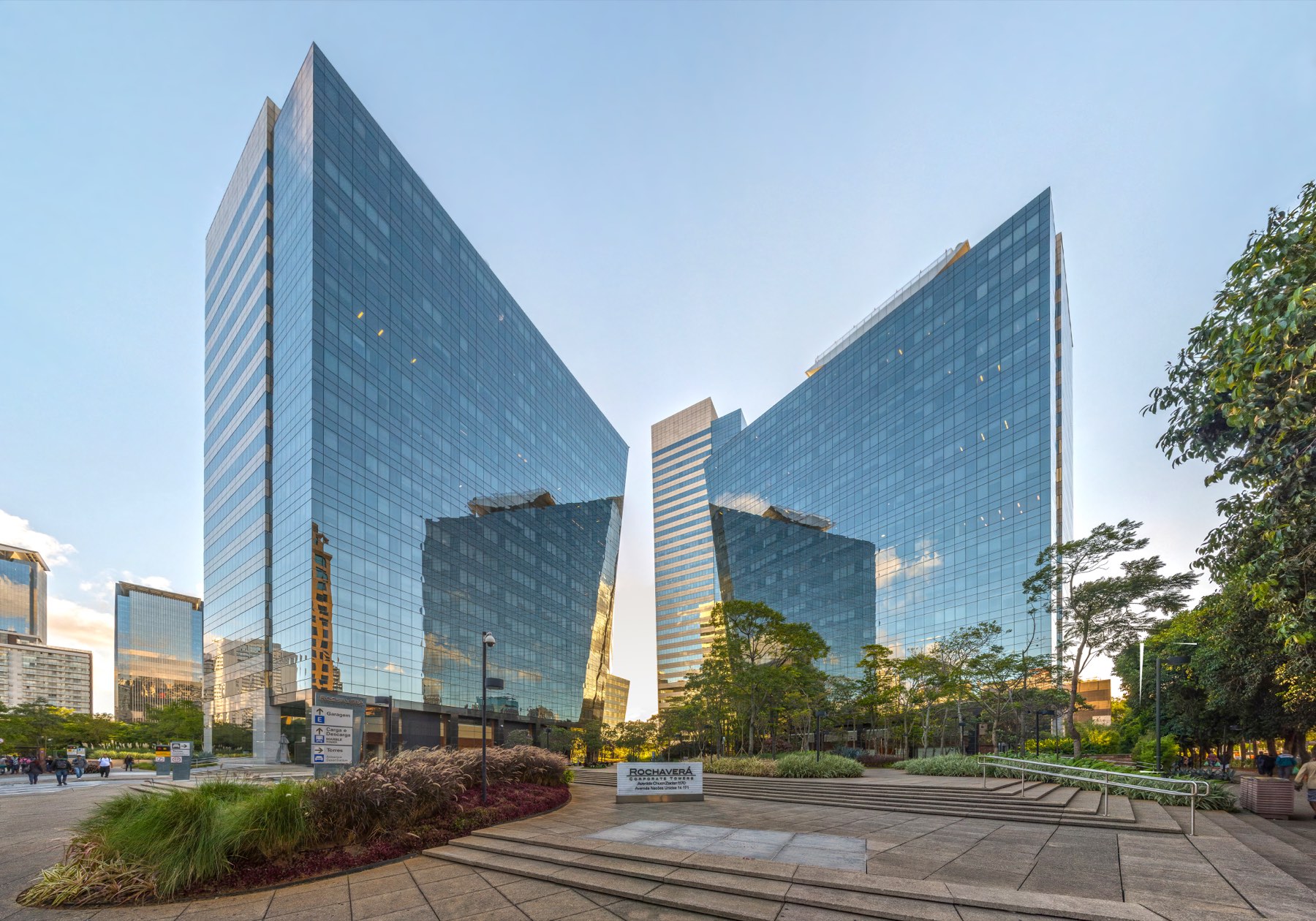
Lusaka, Zambia
- Ref.
- BCA-20260830-819432
- Issue
- 1
- Prices dated
- 2026-08-30
Start from your drawings
Start from a common job
Starting points to correct, not quotes: your dimensions replace theirs. Or fill the form below directly.
Project
Each country carries its own surveyed prices, building rules and currency.
Prices are surveyed town by town: haulage and imports do not cost the same everywhere.
The capital and the deepest market in the country, on a plateau at 1,280 m. **Built on dolomitic karst**: the water table is deep, a borehole is the rule rather than the exception across much of the city, and a solution void under an excavation can change a foundation in kind. It is the city in this product where a soil investigation pays for itself fastest.
The sum of every storey, measured over the walls.
m²
Stacking storeys lowers the cost per m²: less foundation and less roof.
Each additional bathroom adds to the plumbing.
Specification and materials
Structure
Driven entirely by the ground. On sandy, sloping or low-lying sites a soil survey is not optional.
Stable bearing ground. The most common solution in the DRC.
The 15 cm block is the DRC load-bearing standard. The 10 cm block is for partitions only.
The standard load-bearing wall unit in the DRC, for one or two storeys.
Envelope
A flat slab lets you add a storey later, but costs close to double a sheet roof.
The most widespread solution in the DRC: light, quick to fix, cheap.
Site and delivery
If a lorry cannot unload on the plot, everything is carried by hand.
Delivery at the work face.
Self-building saves the contractor’s margin, at the cost of your time and the risk.
A single point of contact, 10–20% margin.
Refine: 13 more choices
These each move the figure by under 5%. They are already set to what is commonly built here, so open them if your project differs. Otherwise the figure above stands.
Structure
A column-and-beam frame is the norm above one storey, or wherever you want large openings.
Concrete frame with block infill. The regional standard.
A ventilated void protects against rising damp, which is common in the rainy season.
Slab cast on compacted hardcore. The cheapest option.
Finishes
Under a sheet roof, the ceiling is what makes the difference to thermal comfort.
The common, economical solution.
Ceramic tiling dominates; a smoothed screed is still common in self-build.
The default choice, wide price range.
Wet-room tiling is counted separately from the general wall treatment.
The standard, inside and out.
Envelope
Security grilles are included in every option, as they are the norm in the DRC.
Cheapest. Needs regular maintenance and termite treatment.
Double glazing only pays off alongside permanent air conditioning.
The local standard.
Services
The public network is intermittent in most neighbourhoods: plan for storage.
Full independence. The most widespread solution outside the city centre.
There is almost no sewer network in the DRC: a septic tank is the rule.
The normal solution for a house.
A solar water heater pays back quickly wherever power is dear or scarce.
Common in economy housing.
A good ceiling and cross-ventilation often beat an undersized air-conditioning system.
Cheap and very effective in this climate.
A grid connection alone is rarely enough: outages are a daily event across most of the countries covered.
Changeover, batteries and priority circuits.
Site and delivery
Slope, water, rock and fill: the four things that blow a foundation budget.
Minimal earthworks.
Options and extras
Swimming poolRequires « Premium »Concrete pool, filtration, coping and plant room.
LandscapingRequires « Premium »Garden, paving, irrigation and external lighting.
Budget assumptions
10% is the sensible minimum in the major cities, 15% in the provinces.
Tick this if you are using a formal contractor who charges VAT.
Site conditions
Labour is the softest number in the estimate. These three choices genuinely move it, and they compound: a site with no supervision, learning the technique, and hard to reach costs far more than the three penalties added together.
Custom line items
Add anything this tool does not know about: an unusual material, a firm supplier quotation, a one-off item. Your lines follow contingency, margin and VAT like every other.
Labour, plant, transport and fees
The rate per m² used here already includes all four: the figures below show what it assumes. If you have a real quotation, enter it and it will replace the estimate.
- LabourIncluded in the rate
The people who build it: labourers, masons, carpenters, steelfixers, electricians, plumbers, tilers, painters and the site foreman.
estimated at 230,000 KWhat this covers
- Day rates at the country’s statutory minima
- Site supervision
- Social and payroll charges
Enter the total labour figure from your quotation, charges included, for the whole build.
- Plant and equipmentIncluded in the rate
Equipment hired or written down on site, and the fuel that runs it.
estimated at 51,000 KWhat this covers
- Mixer, poker vibrator, pump
- Scaffolding and formwork
- Site generator and fuel
- Earthmoving plant, crane where needed
Add up hire charges, fuel, and depreciation on plant you already own.
- Transport and deliveryIncluded in the rate
Getting materials to site, including the last kilometre, which is often the dearest.
estimated at 89,500 KWhat this covers
- Road, river or rail freight
- Handling at both ends
- Customs clearance and agent fees on imports
- Breakage and loss in transit
Enter the total delivery figure from your supplier quotations, clearance included if you import.
- Professional fees and chargesIncluded in the rate
What you pay to be allowed to build and to have it properly designed. Nearly all of it falls due before the first block is laid.
estimated at 89,500 KWhat this covers
- Architect, structural and services engineer, quantity surveyor
- Building permit, cadastre, notary
- Electricity and water connections, only where a network actually exists
- Soil tests and concrete cube testing
- Insurance and bonds
Add up signed fee letters and any charges the commune has already quoted you.
Your figure replaces the estimate rather than adding to it, otherwise you would pay for the same item twice. Leave blank anything you do not know.
Saved projects
Projects saved in your browserFrom the BuilderSee the plansYour supplier prices
Your own supplier pricesFrom the BusinessSee the plansMost likely budget
1,607,000 K
Range: 1,199,000 K – 2,015,000 K
- Cost per m²
- 13,500 K
- Indicative duration
- 38 weeks
- Live exchange rate
- 1 USD = 20 K
How this number is built
- Base rate per m²
- 8,500 K – 12,500 K
- City factor
- × 1.00
- Project type factor
- × 1.00
- Storeys
- 1